-
What Happens If You Stop Paying Your Credit Cards: The 30/60/90/180-Day Timeline
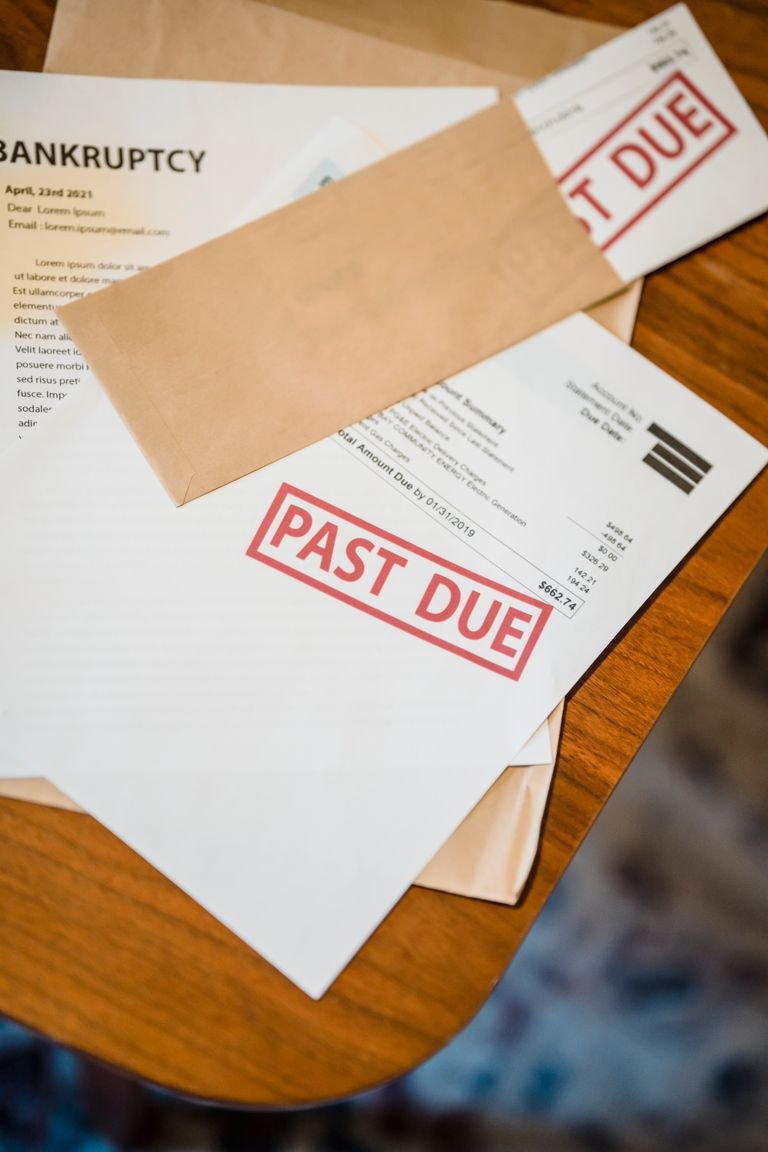
Quick answer Quick answer: What happens if you stop paying your credit cards? Nothing reaches your credit report for the first 29 days, the first delinquency is reported at 30 days, a penalty rate can hit your whole balance at 60 days, and the account is charged off and sent to collections at 180 days…
-
Tax Debt Relief: What Actually Works With the IRS
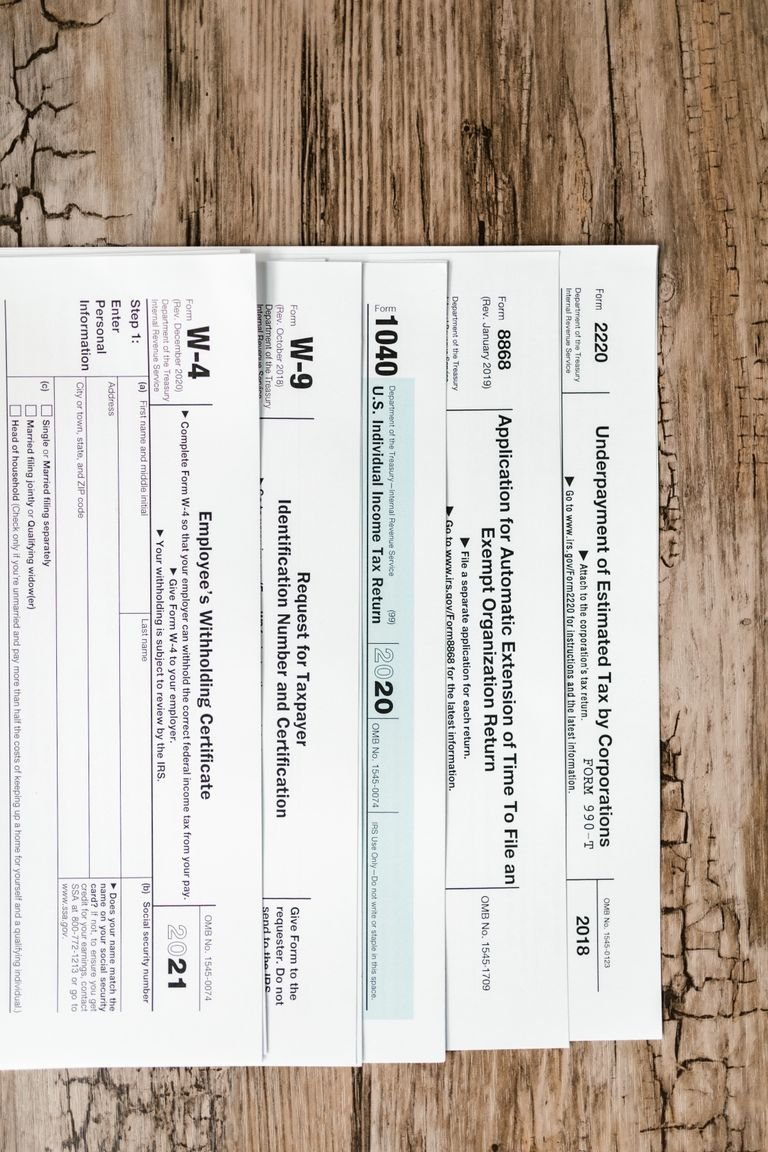
Quick answer Quick answer: Real tax debt relief comes down to three IRS programs: an installment agreement that spreads the balance over up to 72 months, an Offer in Compromise that settles the debt for less when the numbers prove you cannot pay it all, and Currently Not Collectible status that pauses collection during genuine…
-
How Does Debt Settlement Work? An Honest Look at the Pros, Cons, and Costs
Quick answer: Debt settlement is when you or a company negotiate with a creditor to accept less than the full balance you owe, paid as a lump sum. It can cut what you owe, but it works by having you stop paying first, so your credit takes a bit of a hit before anything settles….
-
Debt Consolidation Loans for Bad Credit: When the Math Works and When It Does Not
The most useful number in bad credit lending is not the average rate, it is the spread. In LendingTree marketplace data from late 2025, borrowers with scores under 580 averaged 30.02% APR on consolidation loans, while the best offers for that same group averaged 28.80%, and federal credit unions were capping comparable loans at 18%…
-
Debt Settlement vs. Credit Counseling: Which One Actually Fits Your Situation?
Quick answer: Credit counseling puts you on a debt management plan where you repay everything you owe, just at a lower interest rate, over three to five years. It protects your credit but only works if you can afford the monthly payment. Debt settlement negotiates your balances down to less than you owe, which damages…
-
Can a Credit Card Company Sue You? What Actually Triggers a Lawsuit In 2026
Quick answer Quick answer: Yes, a credit card company or the debt buyer that purchased your account can sue you for an unpaid balance, but most delinquent accounts never see a courtroom. Suits cluster around larger balances, usually after charge-off at 180 days, and only within your state’s statute of limitations, typically 3 to 6…
-
Medical Debt Relief: The Rules Doctors & Hospitals Do Not Advertise
Quick answer Quick answer: Medical debt relief starts with a federal law most patients never invoke: nonprofit hospitals are required by Section 501(r) of the tax code to maintain a financial assistance policy and to check whether you qualify for free or discounted care before they can sue you, garnish wages, or send your bill…
-
Credit Card Debt Relief: 5 Real Ways Out, Compared
A direct, honest comparison of every real way out of credit card debt, ranked by what each option actually costs you and what it does to your credit.
-
Best Debt Settlement Companies: How to Spot the Good Ones and Avoid the Scams
Quick answer: The best debt settlement company is one that charges no upfront fees, puts every fee and risk in writing, is accredited by the AADR or IAPDA, and is honest that settlement will damage your credit and that forgiven debt can be taxed. Most ‘best companies’ lists rank providers that pay the site a…
-
How Does Debt Consolidation Work? A Direct Guide to When It Helps and When It Hurts
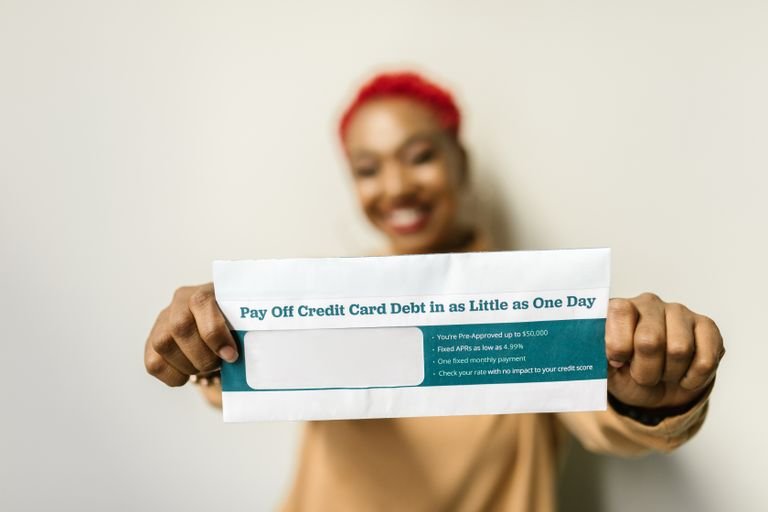
Quick answer: Debt consolidation means combining several debts into one new loan or credit card, ideally at a lower interest rate, so you have a single payment instead of many. It can save real money and simplify your life, but only if you qualify for a better rate and you stop adding new debt. It…
-
Statute of Limitations on Debt: The Two Clocks That Decide If You Can Be Sued
Quick answer Quick answer: The statute of limitations on debt is a state law giving a creditor a set number of years, usually 3 to 6, to sue you over an unpaid balance. Once it expires the debt is “time-barred,” and no court will enforce it, though you still technically owe it and it can…
-
How A Personal Loan Can Help You Pay Down Debt (and When to Skip It)
Quick answer: A personal loan can help you pay down debt by replacing several high-interest balances, like credit cards, with one fixed monthly payment at a lower rate. If you qualify for a rate below what your cards charge, you save money and get a clear payoff date. It only works if two things are…